Precision is Safety
Backcountry flying isn't about taking risks; it's about managing them. Our STOL training focuses on Angle of Attack (AoA) awareness, stabilized approaches, and the precise energy management required to operate safely out of short, unimproved strips.
Choose Your Mission
Most of our clients fit into one of these categories. We have a specialized curriculum for each.
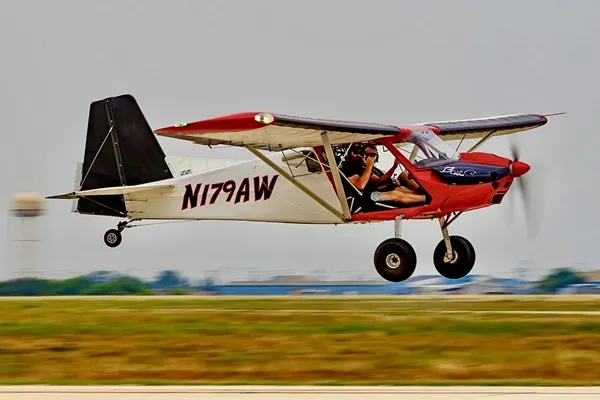
01. The BushCat
Included in Tailwheel Package
Learn the basics of STOL in a rugged, modern trainer. We integrate short-field and soft-field technique directly into your Tailwheel endorsement or as a separate hourly training.
Tailwheel Training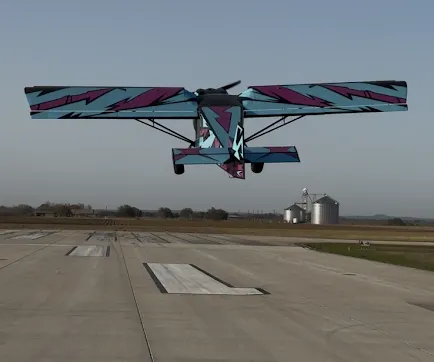
02. The Zenith
⚠ LODA Restricted
Train in the "Lazer Chicken." Learn to utilize the slats, flaperons, and high-drag characteristics of the CH750. LODA restricted to only Zenith owners and builders.
Zenith Training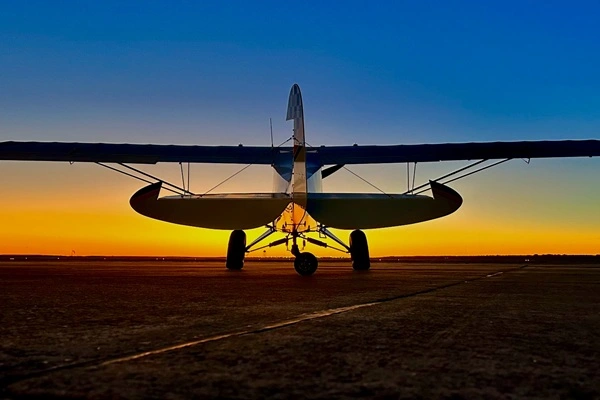
03. Your Aircraft
Custom Instruction
Learn what your plane can really do. We'll help you define your personal minimums and explore the performance envelope of your own machine.
Owner Aircraft TrainingThe Texas STOL Reality
"Can I just land anywhere?" In Alaska? Maybe. In Texas? No.
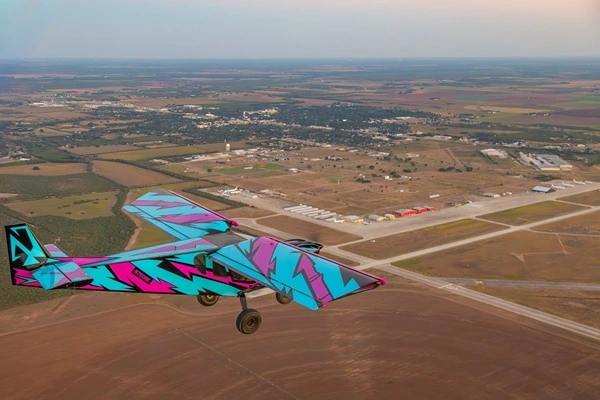
Texas is 95% private land. Landing on a rancher's field without permission isn't just rude; it's trespassing. Our training focuses on:
- Legal Access:
- How to find private strips and get permission.
- Surface Evaluation:
- How to judge a field from 500ft before you commit.
- The "Go-Around" Mindset:
- Making the decision to abort early and often.
- Mental Preparation:
- Overcoming the anxiety of a short strip.
Common Questions
Can I land on riverbeds in Texas?
The Catch (The Gradient Boundary): The "riverbed" only extends to the "gradient boundary." If you step one foot onto the private land of the riverbank (which is often unmarked), you are committing Criminal Trespass.
Can I land on a public road?
The Exceptions:
- Emergencies: Allowed if necessary to prevent injury to a person or property.
- County Ordinances: Under Section 24.022, a County Commissioners Court can specifically authorize aircraft operations on designated county roads (not State Highways/FM Roads). Always check local ordinances first.
Can I land on the beach?
Can I land on the grass next to a paved runway?
The Reality: Contact the airport manager for permission. They likely will allow it if the airport can safely support it.
Does insurance cover off-airport landings?
The Reality: You must read your policy's "Definitions" section. Some insurers offer specific "Off-Airport" endorsements for qualified pilots. We help our students understand how to talk to underwriters and what training (like our course) might help you get approved.
Do I need 29" bush tires to land off-airport?
We teach you how to land soft and light on standard tires first. Once you master that, big tires just expand your margin of safety.
How do I know if a spot is safe to land?
What are the real risks of off-airport flying?
You must be prepared for the specific realities of backcountry operations:
- Field Repair: You might have to change a tire or fix a prop strike in the mud, miles from the nearest road.
- Extraction: If the airplane isn't flyable and you can't fix it on site, the only way out is often a helicopter lift. That bill starts at $10,000 and goes up fast.
- Isolation: If weather moves in or you get stuck, you could be trapped without rescue for days. Self-reliance isn't a buzzword; it is a survival requirement.